Music / Styles A–Z / American roots · 05 of 35
Soul
Soul came out of African-American communities in the late 1950s and early 1960s, joining gospel and rhythm and blues. Handclaps, call and response and strong horns mark it.
- Where and when
- United States, late 1950s to early 1960s
- Tempo
- Not fixed
- Played on
- Voice, horns, bass, drums, organ, handclaps
- Lesson
- American roots →
What it is
Soul came out of African-American communities in the late 1950s and early 1960s, joining gospel and rhythm and blues, sacred and secular. Catchy rhythms stressed by handclaps, call and response between lead and backing voices, and strong horns are its hallmarks.
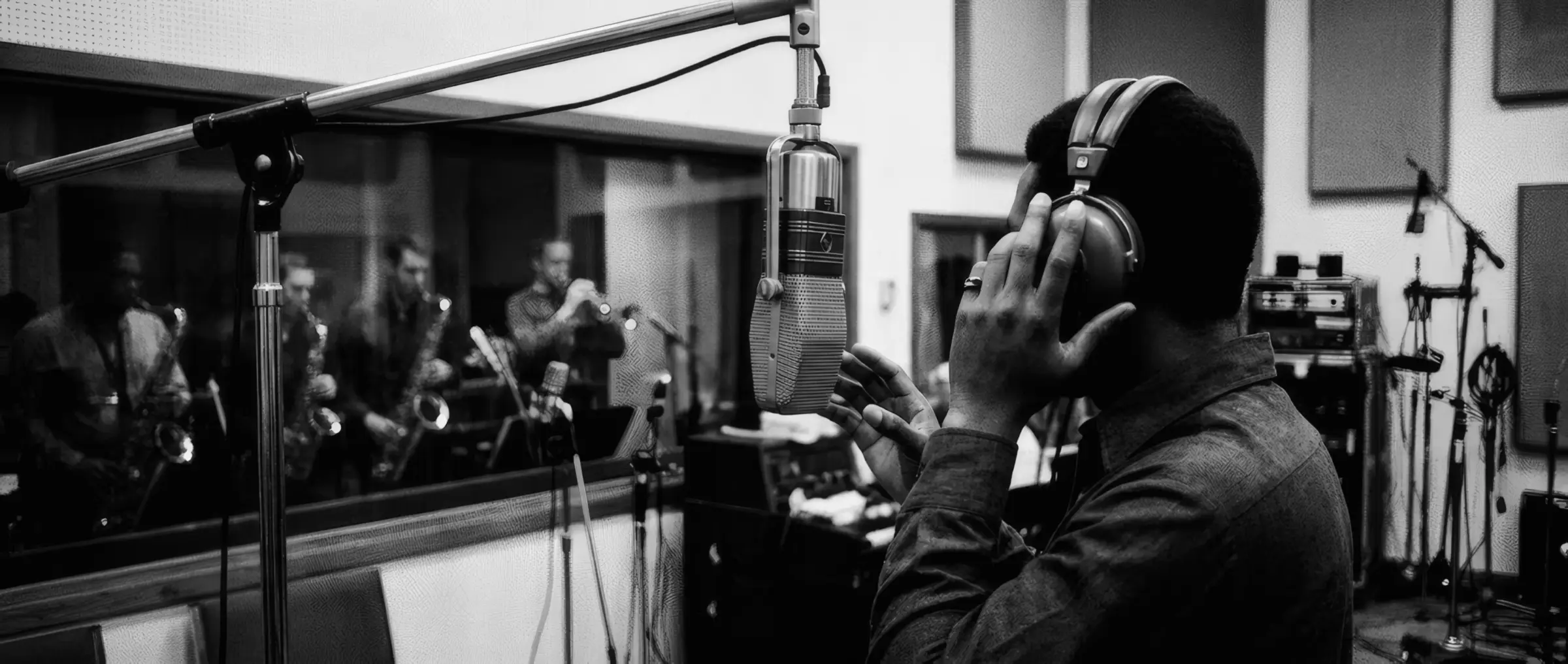
For the producer. The labels are a lesson in mixing. Motown used handclaps, a powerful bass line, strings, brass and vibraphone. Stax put the vocal further back in the mix than most R&B of its day, used horns where others used backing vocals, and leaned on the low end. Philly soul added lush strings and horn arrangements.
The records that made it
From the lesson American roots, where the sources are listed · links open a search
- 1962Bring It On Home to MeSam Cooke · Called perhaps the first record to define the soul experience.
Soul in this month’s records
New releases the press we read wrote about, tagged soul on MusicBrainz · updated with every build